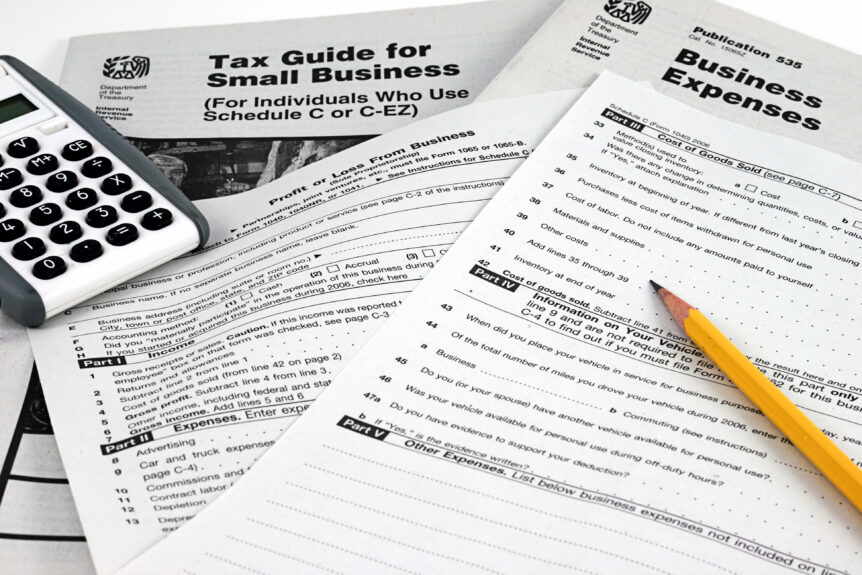
A Tax Bill May Be Coming. Commercial Real Estate Could Change the Conversation.
As 2026 heads toward its final months, business owners and investors are beginning to get a clearer picture of what their year will look like.
For some, it has been a very good year.
And a very good year can come with a very large tax bill.
If you’ve sold appreciated real estate, generated significant business income, sold another investment, or are considering selling property before year-end, now is the time to have a conversation with your CPA and commercial real estate advisor—not December 28th.
Why?
Because commercial real estate continues to offer investors several powerful tax-planning strategies. But many of them require time, planning and the right property.
Selling Investment Property? Don’t Forget About the 1031 Exchange.
One of the most established tax-deferral strategies available to commercial real estate investors is the Section 1031 like-kind exchange.
A properly structured 1031 exchange may allow an investor selling qualifying real property to defer recognition of capital gain by reinvesting the proceeds into qualifying replacement real estate.
But the clock moves quickly.
Once the relinquished property is transferred, the investor generally has only 45 days to identify replacement property and 180 days to complete the exchange, subject to applicable tax-return deadlines.
Forty-five days can disappear remarkably fast.
That’s why investors considering a sale shouldn’t wait until after closing to begin thinking about their replacement property.
The better strategy is to know what you may want to buy before you sell.
Industrial buildings, office properties, multi-tenant commercial investments and other qualifying real property can potentially serve as replacement assets, subject to the requirements of Section 1031.
The objective isn’t simply to avoid paying tax today. It’s to keep more of your equity working for you.
Depreciation Makes Commercial Real Estate Even More Interesting
Tax deferral isn’t the only reason commercial property deserves a closer look.
The 2025 tax legislation permanently restored 100% bonus depreciation for qualifying property acquired and placed in service after January 19, 2025.
That does not mean an investor can simply deduct 100% of the purchase price of a typical commercial building. Land isn’t depreciable, and the building itself generally follows its applicable depreciation schedule.
However, certain components of a commercial property may qualify for accelerated depreciation. Depending on the property and taxpayer, a properly prepared cost-segregation study may identify qualifying shorter-lived components that can potentially be depreciated much faster.
The result can be significant first-year deductions for certain investors.
And for manufacturers, the current law created another potentially significant benefit: certain qualifying nonresidential real property used as an integral part of manufacturing, production, agriculture or refining may qualify for a special depreciation allowance of up to 100%, subject to detailed requirements.
That’s a conversation worth having with your CPA before you buy the building—not after.
Own Your Building Instead of Paying Someone Else’s Mortgage
For profitable businesses, there is another consideration that goes beyond taxes.
Why are you still renting?
Every month, your company writes a rent check. That money becomes income—and potentially equity—for someone else’s property.
Purchasing an owner-user building can change the equation.
Instead of simply paying rent, a business may have the opportunity to build equity, control its occupancy costs, benefit from potential appreciation and create a real estate asset separate from the operating company.
There can also be tax deductions associated with ownership, including depreciation and certain operating and financing expenses, depending on the taxpayer and ownership structure.
For a business expecting to occupy the same general area for years, the comparison shouldn’t simply be:
“What is my rent?”
It should be:
“What would it cost me to own?”
Opportunity Zones Are Changing Too
Investors with capital gains may also want to discuss Qualified Opportunity Funds with their tax advisors.
The Opportunity Zone program has undergone significant changes. Under the original program, deferred gains generally face recognition by December 31, 2026. New legislation, however, establishes a continuing Opportunity Zone framework beginning in 2027, with different rules for qualifying investments made after December 31, 2026.
This is precisely why investors shouldn’t make assumptions based on old tax articles or advice they heard several years ago.
The rules are changing.
Your strategy should change with them.
The Biggest Year-End Mistake? Waiting Until Year-End.
Commercial real estate transactions don’t happen overnight.
You have to find the property.
Analyze it.
Negotiate the purchase.
Complete inspections.
Review title.
Arrange financing.
Complete due diligence.
And close escrow.
Add a 1031 exchange deadline or a year-end tax objective, and suddenly the calendar matters a great deal.
An investor who begins looking in August or September has options.
An investor who calls on December 15th has a deadline.
Those are two very different negotiating positions.
Don’t Buy a Bad Property to Save Taxes
This may be the most important point of all.
A tax strategy should never turn a bad real estate investment into a good one.
Tax benefits are part of the equation—not the entire equation.
Location, purchase price, rental income, tenant quality, lease structure, replacement cost, financing, vacancy risk and future resale value still matter.
The goal should be to find commercial real estate that makes economic sense before considering the potential tax benefits.
Then, working alongside your CPA, tax attorney and other advisors, determine how those benefits may improve the investment.
Before 2027 Arrives, Know Your Options
If you have substantial taxable income, recently sold an investment property, are contemplating a sale, have a 1031 exchange on the horizon, or own a business that has outgrown its leased facility, don’t wait until December to start looking at commercial real estate.
There may be an opportunity to turn a tax-planning conversation into a long-term real estate investment.
And there is still time to do it intelligently.
Johnston Pacific Commercial Real Estate has been helping South Orange County business owners and investors buy, sell and lease commercial real estate since 1991.
If you’re considering purchasing commercial property before year-end—or simply want to know what’s currently available—we’d be happy to show you the opportunities in today’s market.
Before you write the check to the IRS, let’s find out if there’s a better place to put your capital.
Johnston Pacific Commercial Real Estate
949-366-2020
Johnston Pacific Commercial Real Estate does not provide tax, accounting or legal advice. Tax laws are complex and individual circumstances vary. Investors and business owners should consult their CPA, tax attorney and other qualified advisors regarding the tax consequences of any transaction.