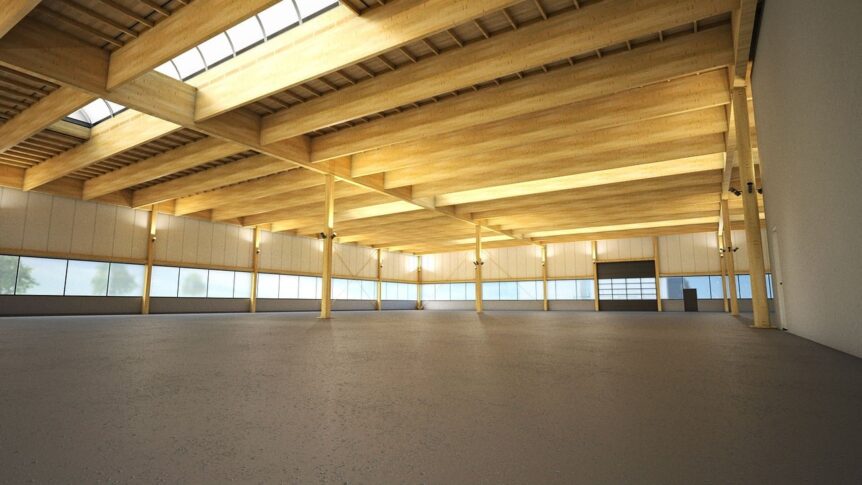
Vacancy periods are often viewed as lost time in the lifecycle of an industrial property. In reality, the window between tenants can be one of the most strategic moments to invest in upgrades that improve marketability, reduce long-term operating costs, and justify stronger lease rates or sale pricing. In competitive industrial markets like South Orange County, tenants are increasingly selective. Modern functionality, energy efficiency, and operational reliability matter more than ever.
Below is a practical guide to upgrading your industrial commercial property while it is between tenants, with a focus on improvements that deliver the highest return and shorten downtime.
Start With the Basics: Fix What Can Kill a Deal
Before discussing enhancements, it is critical to address deferred maintenance. Sophisticated tenants will walk away quickly if they see unresolved issues that signal risk or future expense.
Common high-priority items include:
- Roof leaks or ponding areas
- Failing HVAC units or inadequate ventilation
- Electrical panels that are outdated or undersized
- Plumbing leaks or poor restroom conditions
- Exterior concrete cracks or drainage issues
Leaks, in particular, should never be ignored. Water intrusion damages inventory, equipment, and tenant confidence. A clean roof inspection report or recent repairs can remove a major objection during tours and speed up lease negotiations.
Addressing these fundamentals first creates a stable foundation for higher-impact upgrades.
Upgrade to LED Lighting: One of the Highest ROI Improvements
LED lighting has become an expectation rather than a luxury in modern industrial facilities. Upgrading outdated fluorescent or metal halide fixtures deliver immediate benefits.
Advantages of LED lighting include:
- Lower energy consumption and utility costs
- Brighter, more uniform lighting in warehouse areas
- Reduced maintenance due to longer fixture life
- Improved safety and productivity for employees
For owners, LED upgrades are attractive because they are relatively inexpensive compared to structural improvements and are easy to highlight in marketing materials. Many tenants now ask about lighting efficiency early in the tour process, especially those operating multiple shifts or energy-intensive operations.
If budget allows, consider motion sensors or daylight harvesting in warehouse and exterior areas to further enhance efficiency.
Flooring Improvements: Polish, Seal, or Replace
Flooring is one of the most overlooked yet impactful elements of an industrial property. Between tenants is the ideal time to address it without disrupting operations.
Depending on the condition and use case, options include:
- Polishing existing concrete to improve appearance and durability
- Sealing floors to reduce dust and staining
- Repairing cracks, spalling, or uneven surfaces
- Installing specialized coatings for heavy manufacturing or automotive uses
Clean, smooth floors make a strong first impression during tours and reduce objections from tenants concerned about equipment placement or forklift operations. In automotive or high-traffic environments, upgraded flooring can be a deciding factor.
EV Charging Stations: Future-Proofing Your Asset
Electric vehicle adoption continues to accelerate, and industrial tenants are beginning to factor EV infrastructure into site selection. While not every tenant requires EV charging today, installing charging stations can future-proof your property and differentiate it from competing buildings.
Benefits include:
- Appealing to fleet-based tenants transitioning to electric vehicles
- Supporting employee EV charging, a growing workplace expectation
- Enhancing ESG credentials for institutional or corporate tenants
Even installing conduit and electrical capacity for future chargers can be a smart compromise if full installation is not feasible immediately. This signals foresight and flexibility to prospective tenants.
Improve Electrical Capacity and Power Distribution
Power requirements are increasing across many industrial uses, from advanced manufacturing to automotive and cold storage. Insufficient electrical capacity is one of the fastest ways to lose a qualified tenant.
Between tenants, consider:
- Upgrading electrical panels or transformers
- Adding additional outlets or drops in warehouse areas
- Improving power distribution for flexibility in tenant layouts
These improvements are easier and less costly to complete when the building is vacant and can significantly expand the pool of viable tenants.
Refresh Office and Common Areas
While warehouse functionality drives most industrial leasing decisions, office areas still matter. A dated or worn office space can create friction, especially for owner-users or customer-facing businesses.
Cost-effective office upgrades include:
- Fresh paint with neutral, modern colors
- New flooring or carpet tiles
- Updated lighting and ceiling tiles
- Refreshed restrooms and break areas
These upgrades help to position the building as move-in ready and reduce tenant improvement negotiations.
Exterior and Curb Appeal Still Count
First impressions begin in the parking lot. Simple exterior upgrades can dramatically improve how a property shows.
Focus areas include:
- Power washing exterior walls and walkways
- Restriping parking and loading areas
- Updating landscaping with low-maintenance plants
- Repairing or repainting roll-up doors and entry doors
A clean, well-maintained exterior signals professionalism and pride of ownership, setting the tone before a prospect ever steps inside.
Think Strategically About Return on Investment
Not every upgrade makes sense for every property. The key is to align improvements with the most likely tenant profile and the realities of your submarket. In tight industrial markets, strategic upgrades can justify higher asking rents and shorten vacancy periods. In softer conditions they can be the difference between leasing quickly or sitting idle.
Working with a broker who understands tenant demand, pricing thresholds, and competitive inventory can help prioritize where capital will have the greatest impact.
Final Thoughts
The time between tenants is not dead time. It is an opportunity to reposition your industrial asset, reduce future headaches, and attract strong, longer-term occupants. By addressing maintenance issues, upgrading lighting and flooring, planning for EV infrastructure, and enhancing overall functionality, owners can turn vacancy into a value-creating phase.
For industrial property owners in Orange County, thoughtful upgrades completed at the right time often deliver returns well beyond their initial cost.
If you are evaluating whether to lease, sell, or reposition your industrial property, Johnston Pacific Commercial Real Estate brings more than 35 years of experience in the South Orange County industrial market. Our team can help you determine which upgrades make sense, how they impact value, and how to position your property for maximum exposure and results.